
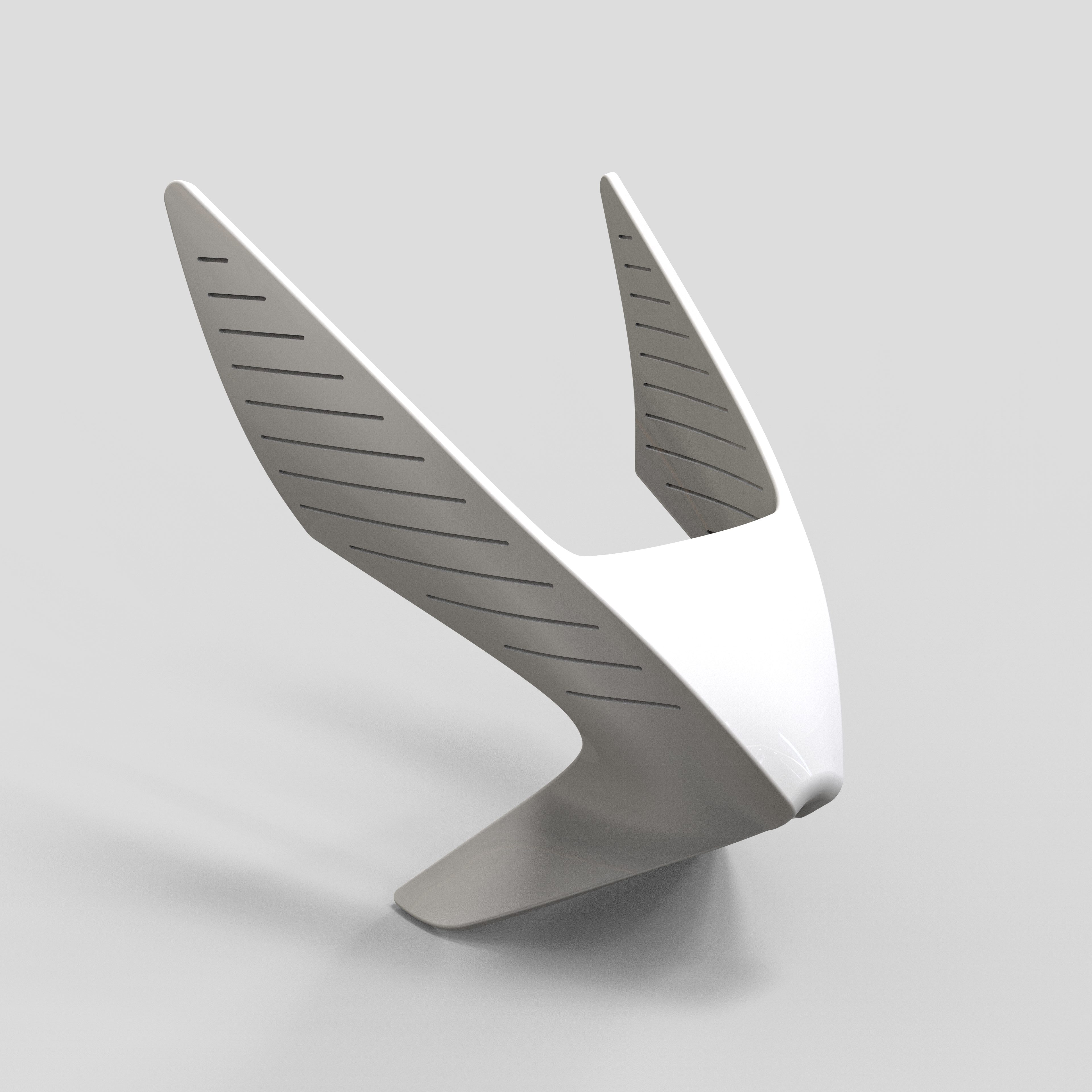
Problem & Solution
❌ The Problem
- Most people breathe incorrectly — shallow, fast, chest-based
- Breath governs anxiety, cognitive performance, energy, creativity
- Existing solutions (apps, mindfulness) are passive — no measurable training
- No hardware builds breath strength like physical training builds muscle
- $89B wellness market, but nothing targets the root: physiology
✓ The Solution
- Nasal wearable with medical-grade silicone — comfortable for daily use
- Sensors measure airflow, pressure, tempo in real-time
- AI coach provides adaptive training, form correction, motivation
- Longitudinal tracking shows measurable improvement
- Daily ritual that builds discipline and physiological control
More Than a Device
The Peloton for Breathing
ÆOESS isn't a meditation app in hardware form. It's physical, measurable, repeatable performance training — treating breath the way a gym treats muscles. The diaphragm is muscle tissue. It responds to progressive resistance.
The device captures airflow patterns through dual optical sensors. The AI coach interprets patterns, detects dysfunction, and guides users through personalized training cycles.
Long-term vision: An always-on companion that understands your physiological state — stress patterns, emotional regulation, performance readiness — and helps you consciously control what was previously unconscious.
🧊 Go-to-Market: Wim Hof Community First
The Wim Hof Method community represents the perfect initial market — highly engaged practitioners who already understand the value of breath work but lack tools to measure and optimize their practice.
Hardware Development
The journey from concept to working prototype involved multiple iterations of device geometry, sensor integration, and electronics design.
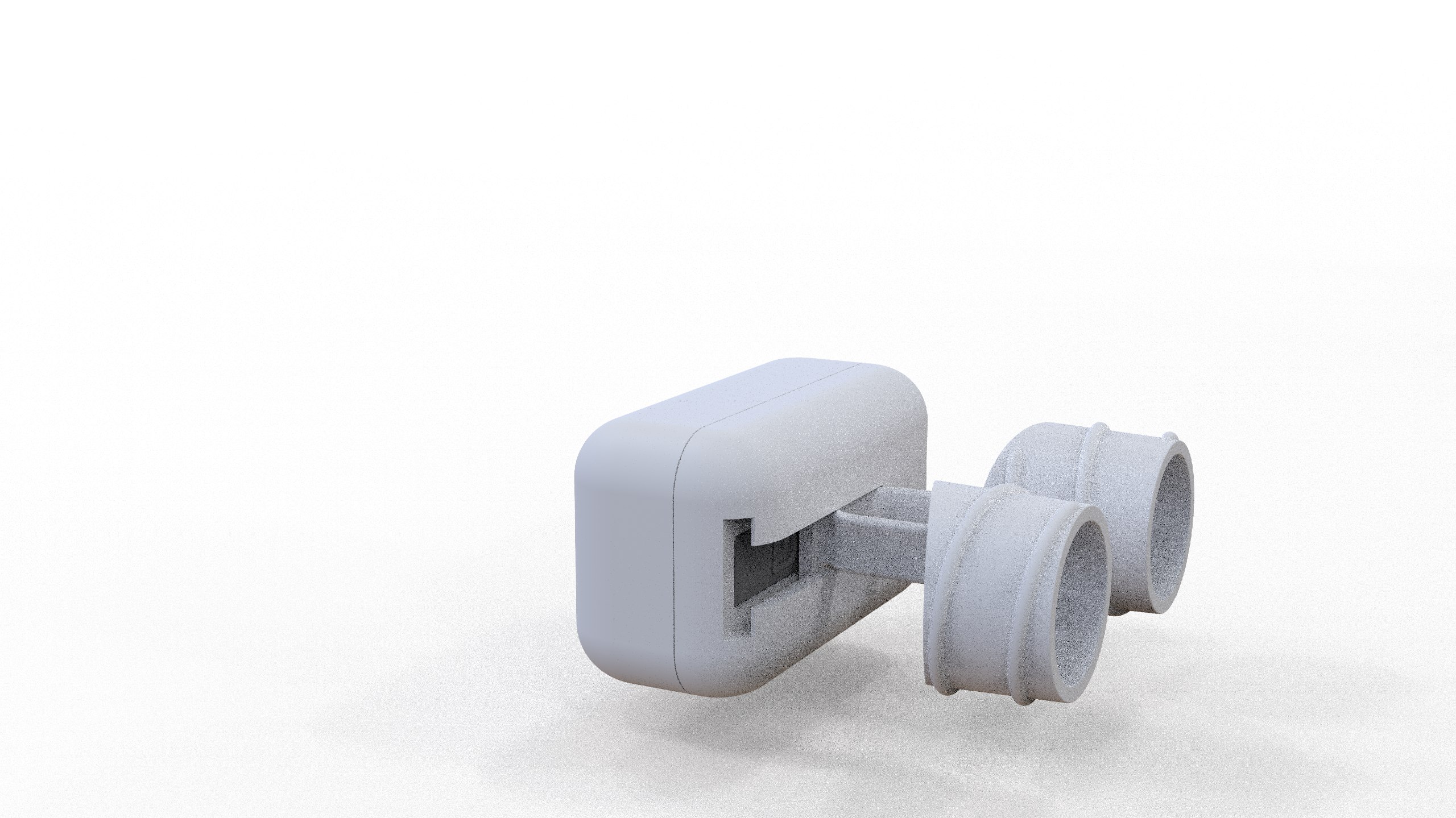
MVP v2 — Core Assembly
Early prototype with sensor integration
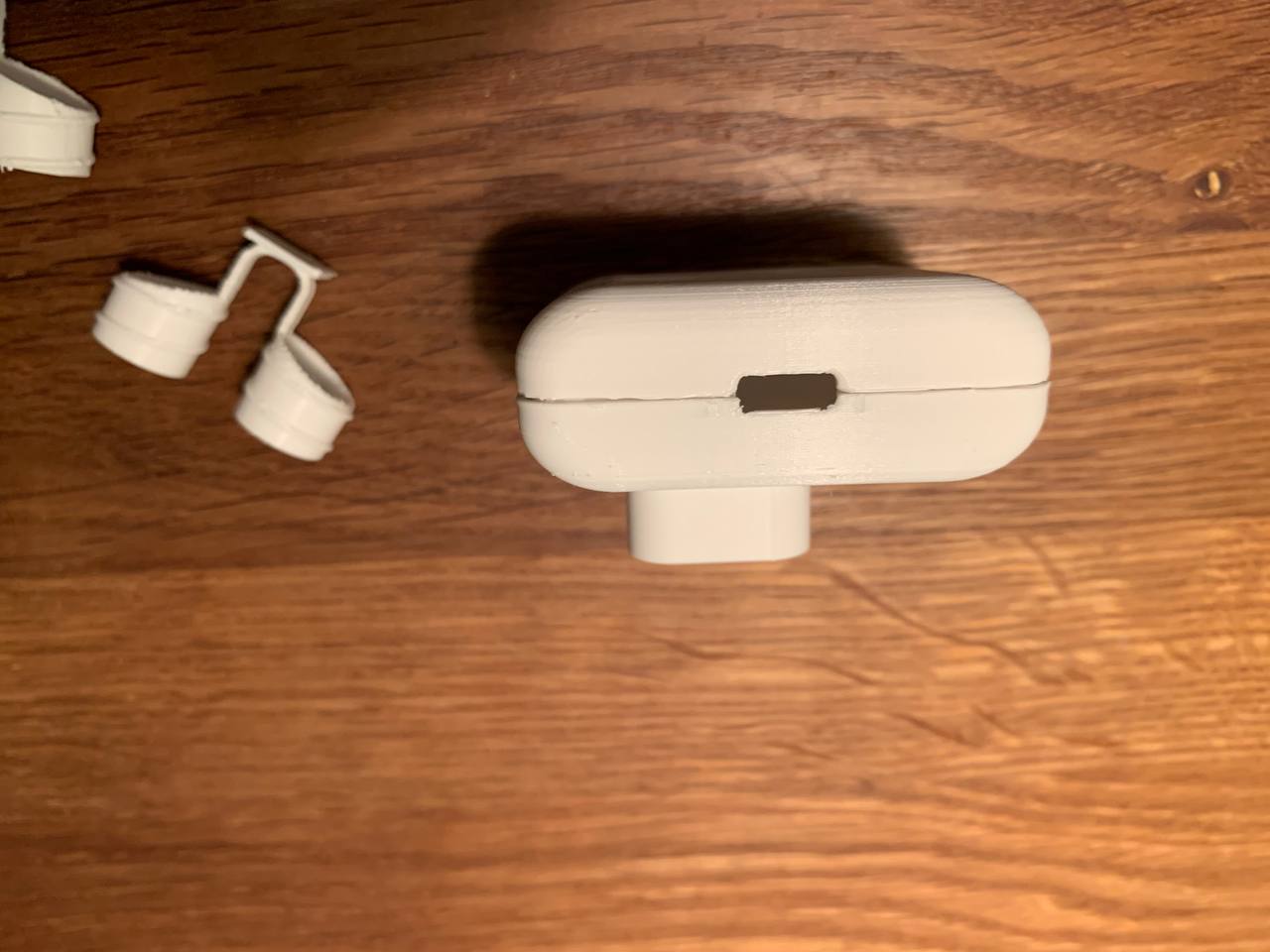
Form Factor Iteration
Device + charging case ergonomics
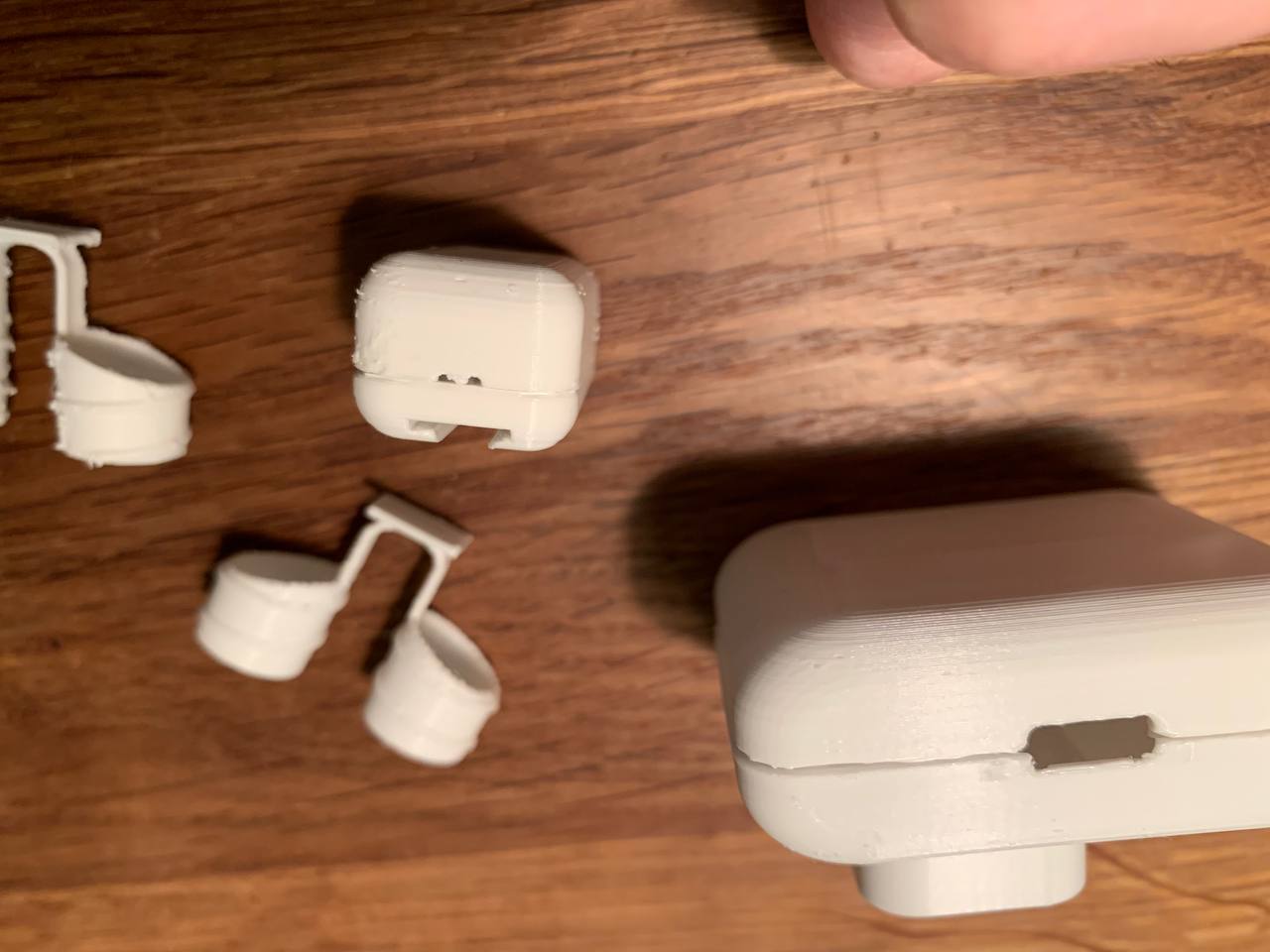
Case & Nasal Inserts
Silicone inserts with carrying case
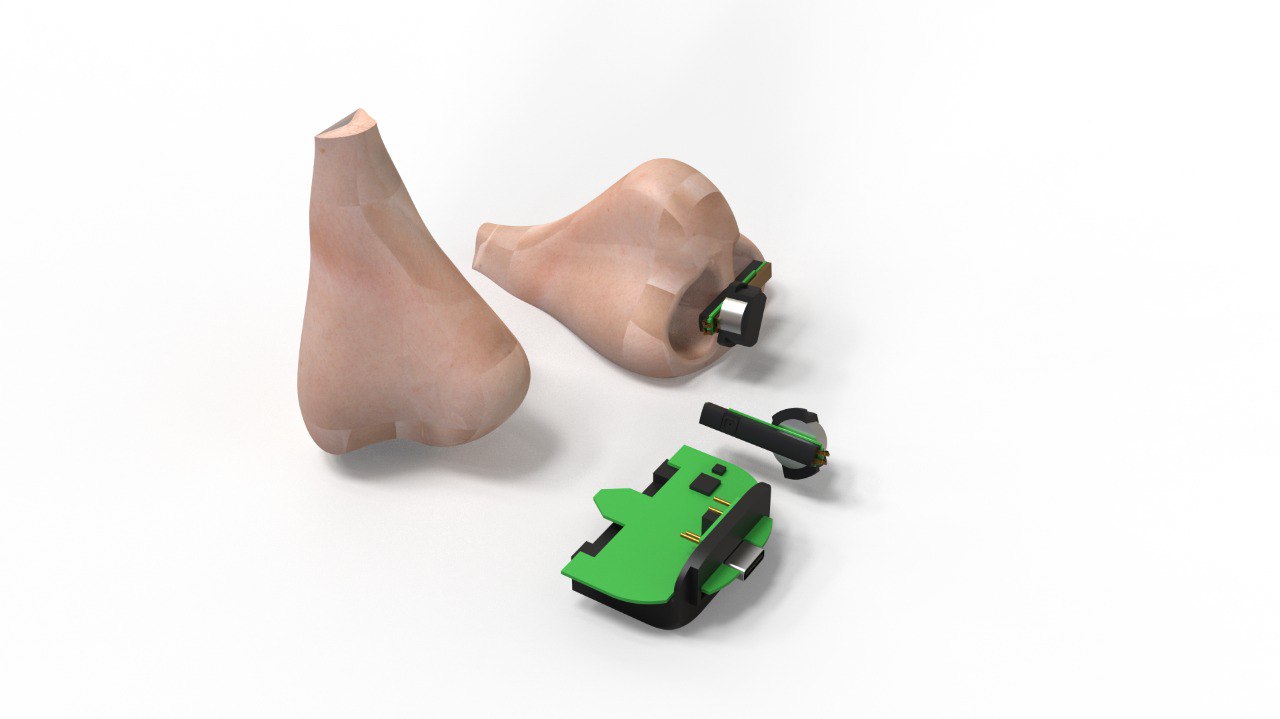
Sensor + MCU Integration
Compact electronics for nasal form
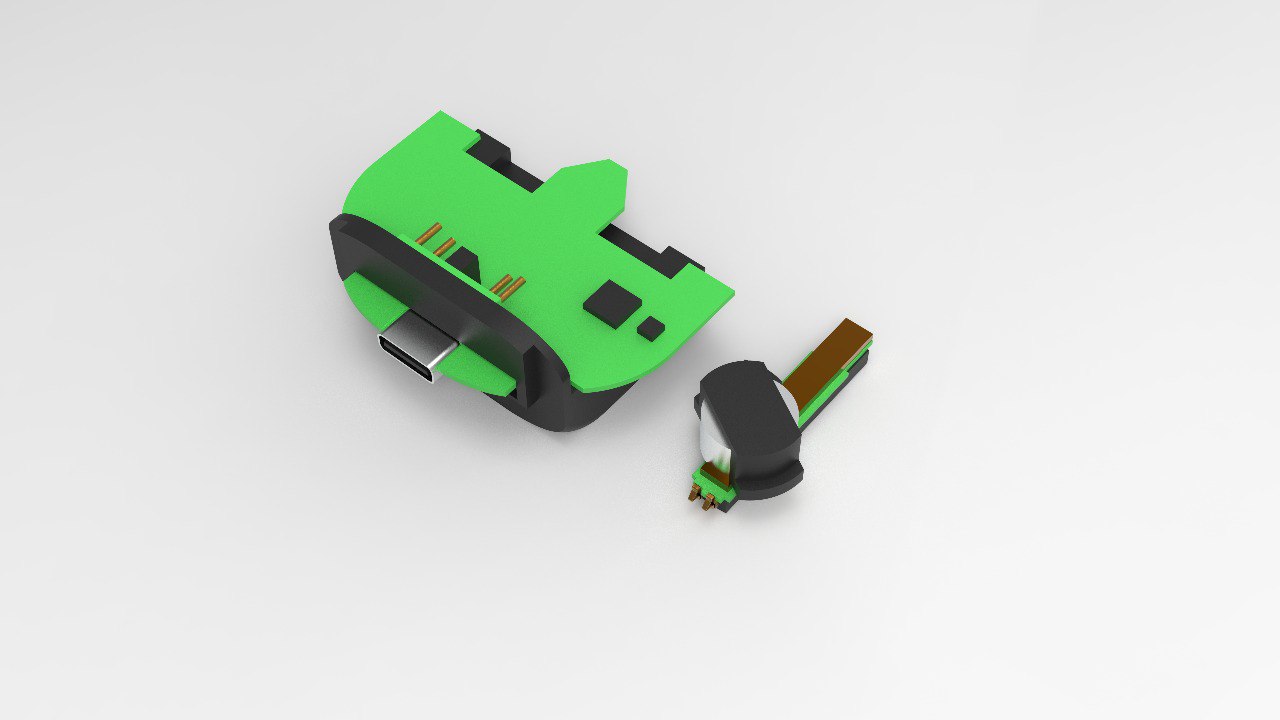
Electronics Layout
PCB design for miniaturization
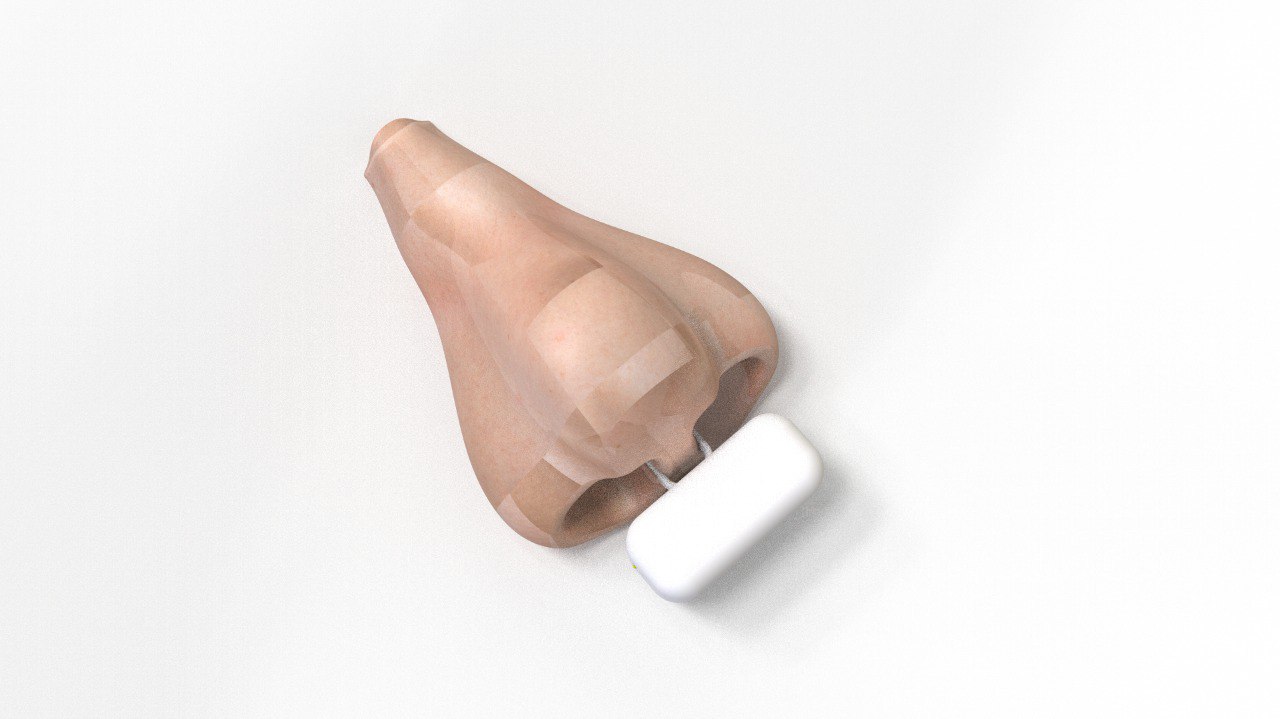
Late-Stage Prototype
Near-final form with integrated sensors
🔧 Mechanical Design
- Resistance mechanism calibration
- Nasal insert ergonomics & materials
- Airflow channel optimization
- Compact form factor for daily use
⚡ Electronics
- Dual optical airflow sensors
- Breathing-sensitive microphone
- Bluetooth Low Energy communication
- Battery management system
From MVP to Production
Two major design phases: functional MVP for validation, then production-ready design balancing aesthetics with manufacturability.
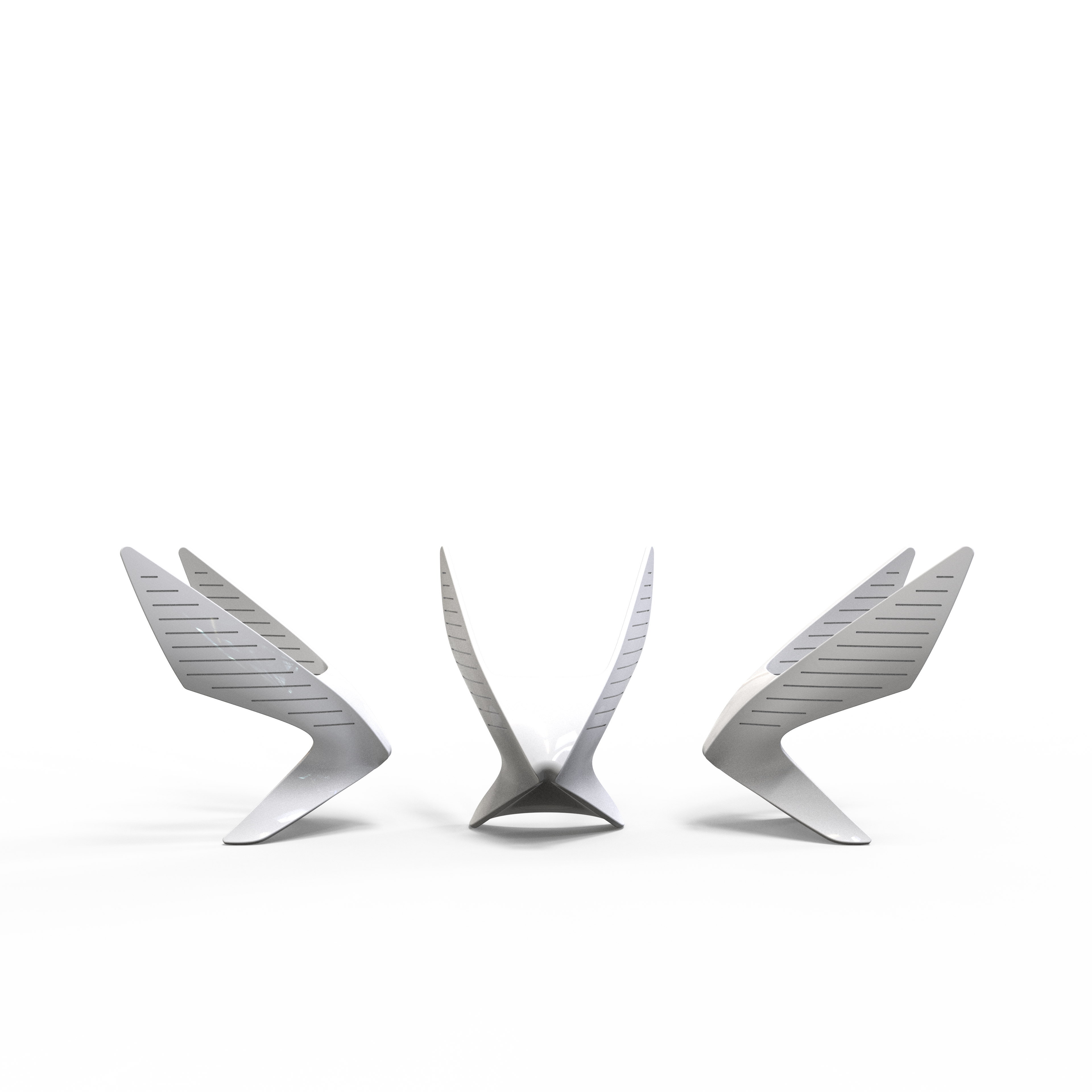
Production Design — Multiple Angles
Final form factor from different viewing perspectives
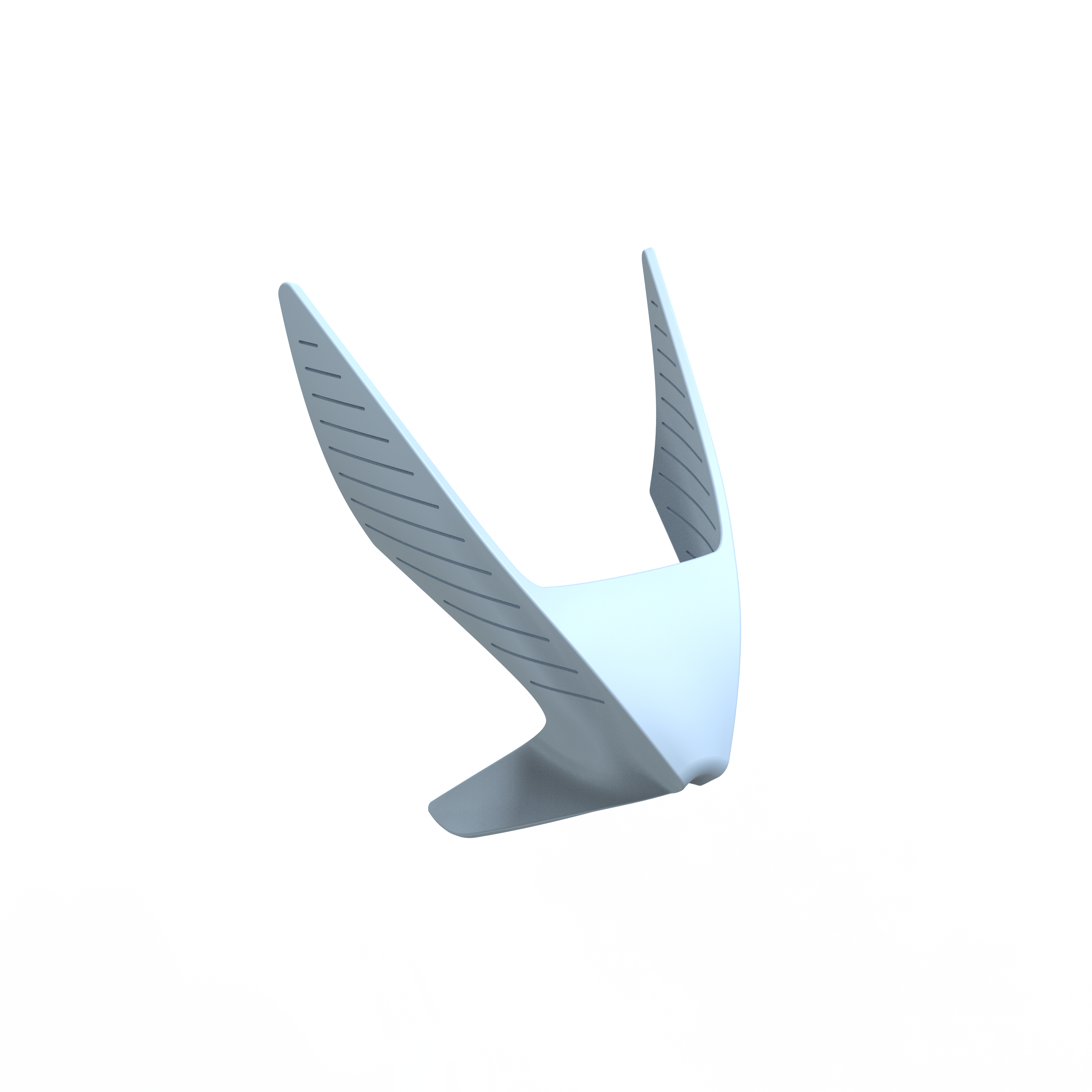
Technical Aesthetic
Tech-forward design language with visible precision
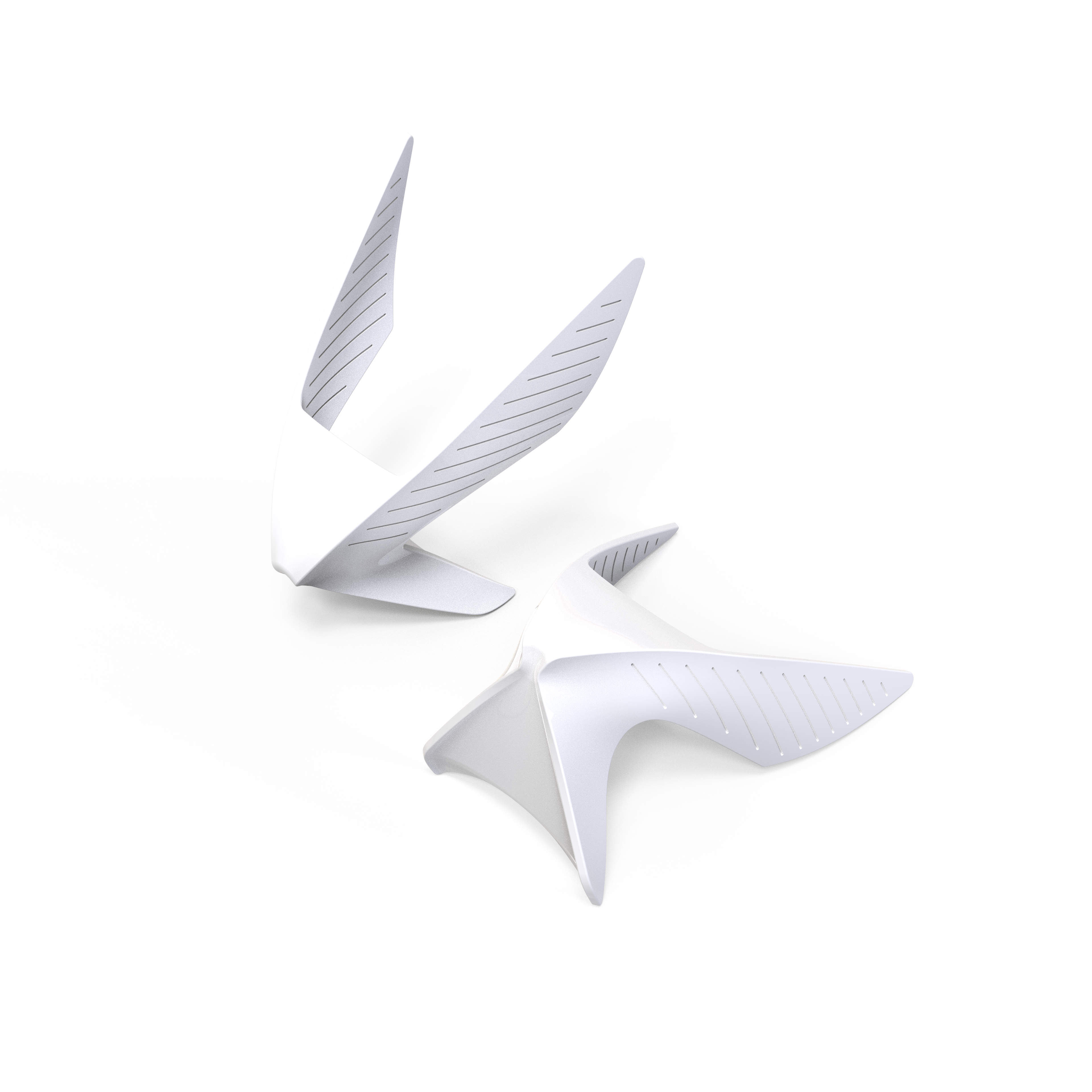
Form Exploration
Organic curves inspired by breathing rhythms
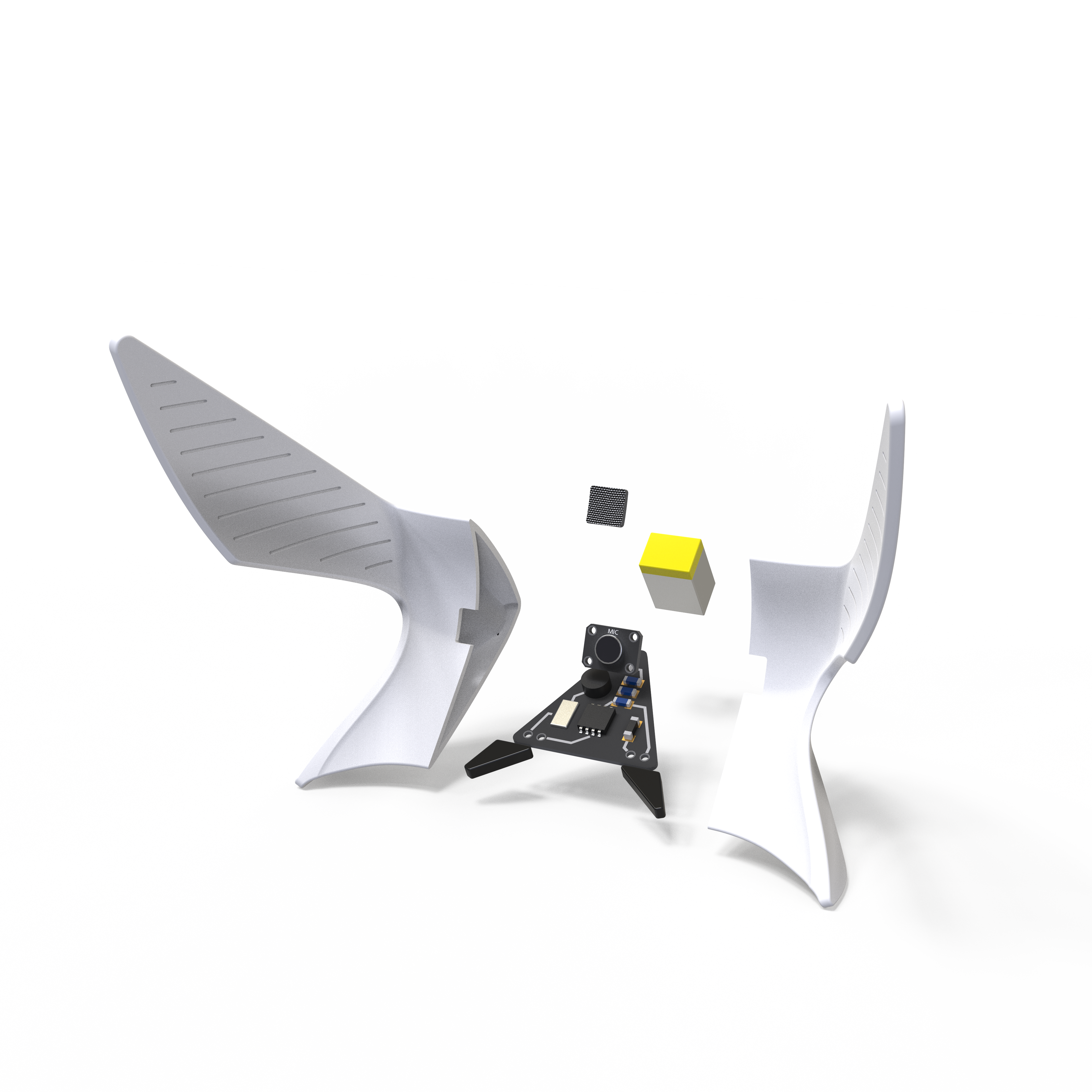
Internal Components
View showing sensor placement and design details
AI Coach System
Hardware alone isn't enough. People need guidance, motivation, feedback, and personalization. The AI layer transforms raw sensor data into actionable coaching.
🎯 Real-Time Guidance
- Voice-guided breathing exercises
- Form correction during sessions
- Pace and rhythm calibration
- Progressive difficulty scaling
📊 Pattern Recognition
- Detect breathing dysfunction
- Identify stress patterns
- Track improvement over time
- Personalized recommendations
Development Journey
Month 1-2
Concept & Research
Explored resistance breathing mechanics. Researched sensor options, airflow measurement techniques, and competitive landscape.
Month 2-3
MVP Prototyping
Built early MVP hardware with pressure sensing. Tested nasal insert geometries. Integrated sensors with microcontroller.
Month 4-5
Electronics & App Architecture
Developed BLE communication protocol. Designed app architecture and data pipeline. Built breathing pattern analysis logic.
Month 5-6
Production Design & Pitch
Commissioned professional industrial design for production. Created comprehensive pitch deck. Project paused to focus on Evatar.ai.
What Got Built
Resources
Investor Pitch Deck
Complete deck with market analysis, product vision, and strategy
Product Website
aeoess.com — landing page and brand presence
Brand Identity Guide
Logo, colors, typography, and applications
Design Concepts
Early brand directions explored
Respiratory Signal Research
Mathematical modeling of breath-to-signal processing
What I Learned
This was my first hardware product — taking an idea from napkin sketch to working prototype, industrial design renders, and investor-ready pitch.
Hardware requires different thinking than software. Physical constraints, manufacturing tolerances, and supply chains add complexity that doesn't exist in code.
The gap between "prototype works" and "manufacturable product" is enormous. What works in a lab often fails at scale.
Industrial design isn't decoration — it's core to user adoption. People won't use something daily if it doesn't feel premium.
Sensor selection and signal processing are their own deep domains. The "easy" part turned out to require significant research.
Sometimes the timing isn't right, and that's okay. The IP and learnings aren't going anywhere.